What deep sanitizing and disinfection covers
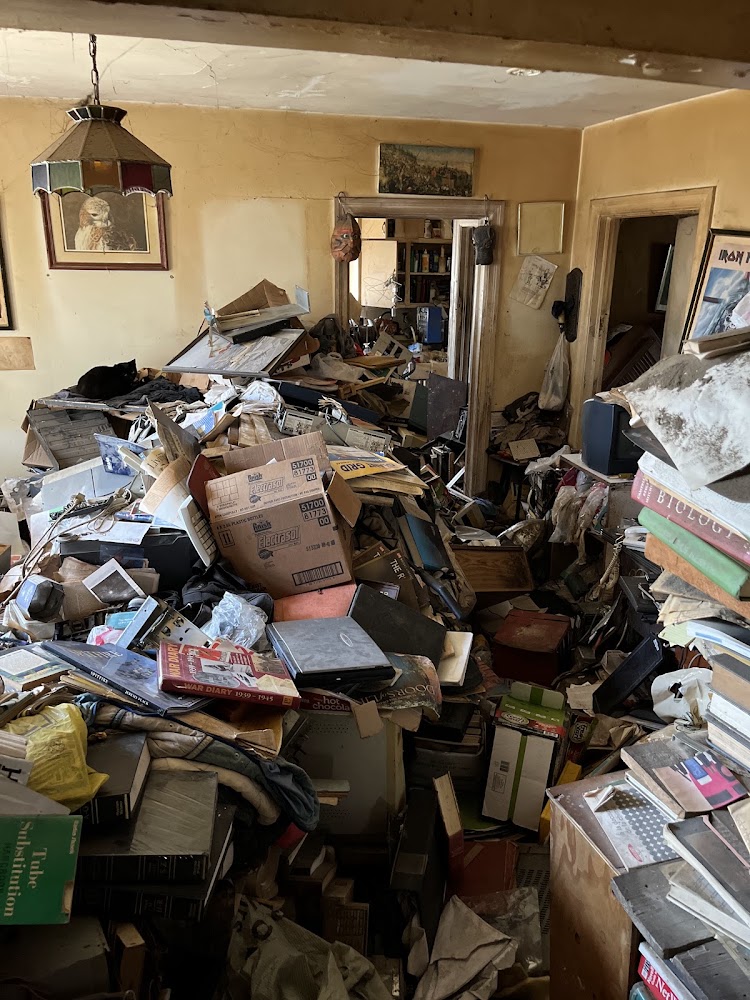
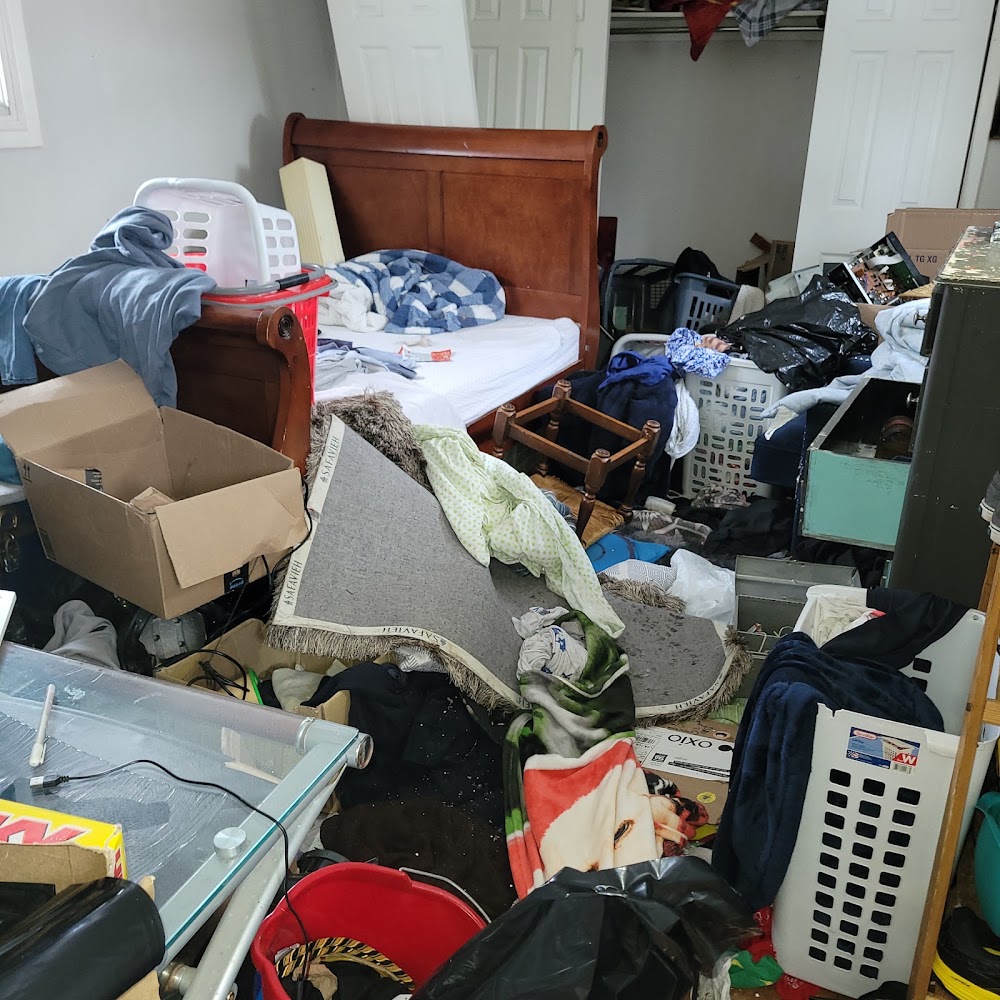
After a hoarding cleanout, the visible clutter is only part of the problem. Years of accumulated debris, pest activity, mold, spoiled food, and organic waste leave behind bacteria, odors, and contamination that regular cleaning won't touch. Deep sanitizing and disinfection is the step that comes after items are removed: treating floors, walls, subfloors, HVAC systems, and hard surfaces with hospital-grade or EPA-registered disinfectants, deodorizing with ozone machines or thermal fogging, and in serious cases removing and replacing contaminated drywall or carpet padding. Some jobs also require biohazard protocols if there's been an animal or human waste issue.
What to look for in a provider
Not every cleaning company is set up for this. Look for crews trained in biohazard remediation (OSHA or IICRC certification is a good sign), documented use of EPA List N disinfectants, and a clear explanation of their process rather than a vague "we sanitize everything" promise. Ask whether they test for odor and contamination after treatment, not just before. Insurance and a written scope of work matter here too, since this work often overlaps with insurance claims or landlord requirements.
We rank the 7 companies covering Hamilton in our best hoarding cleanup companies guide, scored using the process explained on our methodology page, so you can compare who actually specializes in this stage versus who treats it as an afterthought.